


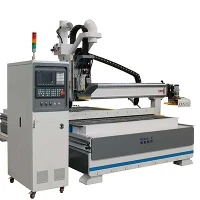
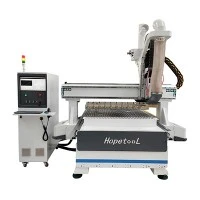


Flatbed Cutting Plotter
Flatbed cutting plotter are technical devices which can be used to mechanically cut graphics, lettering and a variety of shapes from a variety of materials such as paper, thin wood, plastic, adhesive film, cardboard and rubber (e.g. for sealing rings).
Versatility
One of the primary advantages of a flatbed cutting plotters is its versatility. It can cut a wide range of materials, including paper, cardboard, vinyl, fabric, leather, and even thin metals. This flexibility makes it a valuable tool for businesses in industries such as signage, packaging, textile, and automotive, among others.
Precision and Accuracy
Flatbed cutting plotters are known for their exceptional precision and accuracy. They use advanced cutting technologies, such as laser or blade cutters, which can achieve intricate designs and shapes with high precision. This level of accuracy is crucial for industries where precise cutting is essential, such as stencils, architectural models, and decal production.
Time and Cost Efficiency
By automating the cutting process, flatbed cutting plotters significantly reduce production time and labor costs. Unlike manual cutting methods, which can be time-consuming and require skilled operators, these machines can quickly and accurately cut multiple pieces simultaneously.
Customization and Personalization
With a flatbed cutting plotters, customization and personalization options are virtually limitless. The machine can cut intricate designs, logos, and text, allowing businesses to create unique and personalized products.
Improved Workflow and Productivity
Flatbed cutting plotters integrate seamlessly into existing workflows, automating the cutting process and improving overall productivity. With their high-speed cutting capabilities and advanced software, these machines can handle large volumes of cutting tasks efficiently.


Quality Services
Our team is committed to delivering high-quality services to our clients. We use the latest technologies and tools to ensure that our services exceed your expectations.
Quality
We offer high quality services and products that are relatable and resonate with your business needs.
Experience And Expertise
Our company has been in business for many years and has amassed significant expertise and experience to provide quality services to our clients.
Competitive Pricing
We offer competitive pricing for our services without compromising on quality.
Certifications And Quality Standards
Choose a factory that adheres to industry standards and certifications to ensure product safety and quality.
Paper and Cardboard
Flatbed cutting plotters are commonly used to cut various types of paper and cardboard materials. This includes regular paper, cardstock, corrugated cardboard, and foam board. These materials are often used in the packaging industry for creating custom boxes, display stands, and promotional materials.
Vinyl and Stickers
Flatbed cutting plotters are widely used for cutting vinyl sheets and stickers. Vinyl materials are commonly used for creating vehicle wraps, window decals, and signage. The precision cutting capabilities of a Flatbed Cutting Plotter ensure clean and accurate cuts, allowing for intricate designs and details.
Fabrics and Textiles
Flatbed cutting plotters are also capable of cutting various types of fabrics and textiles. This includes materials such as cotton, polyester, silk, and even heavier fabrics like denim and canvas. These cutting machines are widely used in the textile industry for cutting patterns, creating appliques, and designing custom clothing.
Thin Plastics
Flatbed cutting plotters can cut thin plastic materials such as acrylic, polystyrene, and PETG (polyethylene terephthalate glycol). These materials are commonly used in the signage industry for creating acrylic lettering, display panels, and other plastic-based signage.
Foam and Rubber
Flatbed cutting plotters can also cut foam materials such as polyurethane foam and rubber. These materials are commonly used in industries such as packaging, automotive, and furniture for creating cushioning, gaskets, and seals.

Design Input
The operator first creates or imports a design file using specialized software. This file contains the desired shape or pattern that needs to be cut out of the material. The design can be original or sourced from existing templates.
Cutting Path Generation
Once the design file is ready, the software analyzes it and generates a cutting path based on the specifications of the Flatbed Cutting Plotter. The cutting path defines the exact trajectory that the cutting tool will follow to create the desired shape. This step is crucial in ensuring precise and accurate cutting.
Material Cutting
After the cutting path is generated, the operator sets up the Flatbed Cutting Plotter by placing the chosen material on the flat surface of the machine. The material is secured in place using clamps or vacuum technology, depending on the specific model. The cutting tool, controlled by computerized mechanisms, moves along the generated cutting path, cutting through the material layer by layer. The depth and speed of the cutting tool can be adjusted to accommodate different materials and cutting requirements.
When Should You Buy a Flatbed Cutting System?
Prototyping
If you quickly need to whip up prototypes to get projects approved by clients, an in-house machine will speed up the process and save time. You'll also be able to meet deadlines without fail with the support of this flatbed cutting feature.
Reducing Costs
If you're forced to go for large product runs to reduce costs, buying a cutting plotter will help you remove that constraint and produce just as much as requested.
Outsourcing
If you're struggling with delays because of outsourcing your work, a flatbed cutting plotter will help you speed up your production and gain more control over product cost and quality.
Application of Flatbed Cutting Plotter
Signage Production
Flatbed cutting plotters are commonly used in the production of indoor and outdoor signs. They can print and cut vinyl, PVC, and other materials to create custom signs, banners, and displays.
Graphic Design and Printing
Designers and printers often use flatbed cutting plotters to print and cut large-format graphics for events, exhibitions, and displays. These can include wall murals, floor graphics, window decals, and more.
Apparel Design and Customization
The flatbed cutting plotter can be used to print and cut designs onto fabric materials, allowing for the creation of custom clothing, accessories, and other apparel items.
Decorative Applications
The device can be used to create decorative elements for homes, offices, and other spaces. This includes wall decals, window graphics, tabletop displays, and more.
Vehicle Graphics
Flatbed cutting plotters are often used to print and cut vehicle wraps, decals, and other graphics for cars, trucks, and other vehicles.
Prototyping and Modeling
In the product design and prototyping phase, flatbed cutting plotters can be used to create physical models and prototypes from digital designs.
The accuracy of the workbench.
When the accuracy of the worktable is high, the blades on the worktable will cut with high precision. Of course, the accuracy is also greatly guaranteed. The height of the worktable is high or low, and subtle errors may cause the reduction of cutting accuracy and bring to the factory loss.
This has a particularly great impact on the quality of our materials. Where we need to consider, we must look at the whole process of cutting demonstrations to determine whether the accuracy effect is enough!
The sharpness of the blade.
The sharpness of the cutting machine blade is also an important factor that affects the cutting accuracy. When the blade is passivated, there is a lot of wear, which affects the cutting of raw materials during the cutting process and affects the cutting accuracy.
The material of the blade is good, and the sharpness is very good, but the cutter can switch the blade, and choose different blades according to different materials. Regardless of the blade life, cutting accuracy, cutting speed and cutting quality, a good blade is much higher than a poor quality blade.
The difference in cutting materials.
Depending on the cutting material, it will also affect the choice of cutting blade. Similarly, the precision of cutting cloth and white cardboard is different, which is mainly affected by the thickness and hardness of the material. The thicker the material, the lower the precision and the larger the gap.
Tips For Purchasing Flatbed Cutting Plotter
Determine Your Needs: First, identify the specific applications you plan to use the flatbed cutting plotter for. This will help you determine the necessary features and specifications, such as printing speed, cutting precision, material compatibility, and more.
Research Different Models: Research various models of flatbed cutting plotters available on the market. Compare features, specifications, and prices to find the model that best suits your needs. Consider reading online reviews and testimonials from other users to get insights into the performance and reliability of different models.
Consider the Size of the Workspace: Measure the available workspace in your office or workshop to ensure you choose a flatbed cutting plotter that fits comfortably within the allocated space. Consider both the dimensions of the device itself and the size of the materials it can handle.
Evaluate Software Compatibility: Ensure the flatbed cutting plotter is compatible with the software you use for graphic design and printing. This will ensure a smooth workflow and eliminate any compatibility issues.
Check Warranty and Support: Inquire about the warranty period and customer support offered by the manufacturer. A good warranty and reliable customer support can provide peace of mind and assistance in case of any issues or malfunctions.
Compare Prices and Value: Shop around and compare prices from different suppliers. Consider the overall value of the flatbed cutting plotter, including its features, specifications, and cost. Avoid compromising on quality just to save money.
Demo and Testing: If possible, request a demo or testing session with the flatbed cutting plotter. This will give you an opportunity to see it in action and evaluate its performance, precision, and ease of use.
Upgradeability and Futureproofing: Consider the upgradeability and futureproofing of the flatbed cutting plotter. Look for models that can be easily upgraded or modified to accommodate new features or technologies in the future.
How The Flatbed Cutting Plotter Works
Design Preparation
Before using the flatbed cutting plotter, you need to prepare your design using compatible software. This software allows you to create, edit, and format your graphics to the desired size and resolution.
Material Loading
Once your design is ready, you need to load the material onto the flatbed cutting plotter. This can be vinyl, paper, fabric, or any other compatible material. The material is placed on the flatbed surface, which is usually large enough to accommodate various sizes of materials.
Printing Process
After loading the material, you can proceed with the printing process. The flatbed cutting plotter uses inkjet or sublimation printing technology to transfer the design onto the material. The printer head moves across the material, depositing ink or dye onto the surface in precise patterns and colors.
Cutting Process
Once the printing is complete, the flatbed cutting plotter switches to the cutting mode. It uses a sharp blade or knife to precisely cut out the design from the material. The cutting head moves along the contours of the design, following the lines and shapes to create the final product.
Finishing and Removal
After cutting, you can remove the finished product from the flatbed cutting plotter. Depending on the material used, you may need to apply additional finishing techniques, such as heat pressing or laminating, to ensure the graphics are durable and long-lasting.
Our Factory
Jinan Hopetool CNC Equipment Co., Ltd. is a professional company specializing in developing and manufacturing different kind laser machine, include: CNC router, laser machine, digital cutting machine. Our company builed on 2008, after 14 years hard work, our machines have been exported to more than 80 countries, and we have established regular business relationships with many distributors from many countries.


Our Certificate
CE, ISO, Patent certificate

Asked Questions
Q: What would you use with a flatbed plotter?
However, flatbed plotters tend to be used for processing soft materials such as paper, cardboard, adhesive, fabrics, foams and all those materials that have a low resistance to processing.
Q: How does a flatbed plotter work?
Q: What can a cutting plotter do?
Q: Why are plotters slower than printers?
Q: When would you use a plotter?
Q: What are the advantages of flatbed plotter?
Q: Why use a plotter instead of a printer?
Q: What is the difference between a plotter and a cutter?
Q: Can a cutting plotter print?
Q: What is a plotter and who is most likely to use it?
Q: Is plotter cheaper than printer?
Q: How long should a plotter last?
Q: What are two functions of a plotter?
Q: What should I look for in a plotter?
Q: What is a plotter give the benefits and limitations of using plotters?
Q: Are plotters faster than printers?
Q: Do plotters use ink?
Q: Are plotters used to produce high quality?
Q: Why is a plotter called a plotter?
Q: Can cutter plotter cut paper?