


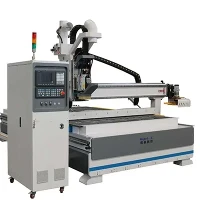
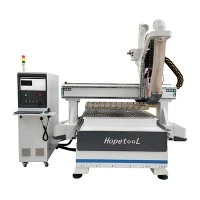


Plasma Cutting Machine 1530
Why choose us
High Productivity
Our factory covers an area of 8,000 square meters and is equipped with 5-axis CNC center machine tools and quality inspection equipment, and can produce 120 different machines a month.
Quality Assurance
Our production process complies with strict ISO system standards. All products undergo 100% quality inspection, obtain CE and various patent certificate certifications, and can provide corresponding quality inspection reports.
Highly Professional
With rich professional knowledge, we provide technical guidance and usage training services for laser machines to a large number of customers, helping them automate their production lines and improve productivity.
Fast Shipping
We ensure the production time of the laser machine is about 10-20 days, and cooperate with professional sea, air and express logistics companies to provide fast shipping and expedited shipping services.
Plasma Cutting Machine 1530 is a machine that is specifically designed to cut through electrically conductive materials by using a computer to control and direct an accelerated jet of hot plasma at the material being cut. CNC plasma cutters can cut through a wide range of different materials, including steel, aluminum, brass, and copper, and can be used for a selection of different industries like fabrication and welding shops, auto repair and restoration shops, industrial construction sites, and salvage operation sites.

The Plasma cutting machine 1325 is a revolutionary piece of equipment that offers numerous benefits and features to its users. It is a versatile and efficient cutting solution that can handle a wide range of materials and thicknesses, making it ideal for a variety of applications.
Some of the main benefits of CNC plasma cutting include:
Increased Efficiency & Quality
CNC plasma cutters are specifically designed to complete large-scale projects in a fraction of the time it would take to complete using a hand tool. By choosing a CNC plasma cutter, you can significantly reduce the time spent on a project while also producing cleaner cuts. CNC plasma cutting machines can also be programmed to cut a wide range of diverse shapes with no pre-heating or cooling required, making it a much more efficient means of completing cuts on short notice.
One Method, Multiple Metals
One of the biggest benefits of CNC plasma cutting is that it is an extremely effective option for cutting both thin and thick metals. This includes steel, stainless steel, brass, copper, and aluminum, allowing you to use one machine to complete cuts for projects in different industries.
Consistent Accuracy
CNC plasma cutters are operated using a precise computer program. Once a cut has been programmed into the machine, the plasma torch will follow the exact path created by the computer, providing a reliable and consistent cut every single time.
Ease Of Use & Reduced Training
While most metal cutters require a lot of training and experience to use effectively, CNC plasma cutters are easier to use and do not require as much training to handle properly. This means that CNC plasma cutting machines can help minimize the overhead costs and downtime associated with training new employees.
Increased Safety
Since CNC plasma cutters are computer operated, they are much safer to use than other metal cutters. All cuts programmed into a CNC plasma cutting machine are set up and completed electronically, eliminating the need for handling the torch or metal during the cutting process. CNC plasma cutters also do not use or store any explosive gases, further increasing safety for your facility.
Top 5 Most Common Plasma Cutter Gas Types
The most common plasma cutter gases include air, hydrogen, oxygen, nitrogen, and argon. All five work relatively well on thinner sheets of metal, up to one-half inch thick. However, as the plate thickness increases, fabricators typically use a combination of these gases to improve production.
In addition to metal thickness, the chemical characteristics of the metal and the cut's dimensions will factor into the plasma cutter gas selection process.
Here is a detailed look at each plasma cutter gas:
Compressed Air
The most commonly used plasma cutter gas is air. Highly versatile and inexpensive, compressed air works well for lower current cutting and on most metals-mild steel, stainless steel, and aluminum-from gauge sizes to one-inch thickness.
One of the primary advantages of compressed air is that it is inexpensive to purchase and store. It can be used as either the main gas or a secondary fuel source and does not leave behind any particles as it cuts through metal.
Compressed Air Plasma Cutters
Plasma cutters use an electrical current and non-hazardous compressed air to cut through stainless steel, alloy steel, mild steel, copper, and aluminum. A pilot arc improves the plasma arc's ability to transfer to the workpiece, allowing it to cut through rough, painted, or rusty surfaces efficiently while producing minimal slag.
Oxygen
Oxygen is the go-to gas for cutting mild steel because it offers clean cuts and faster cutting speeds on carbon steels up to 1¼" thickness. While it is not recommended for cutting stainless steel or aluminum, you can expect high-quality cuts with a smooth face and dross that is easy to remove from the kerf when using oxygen with carbon steel. Oxygen works effectively in combination with other secondary fuels.
Some disadvantages of oxygen include its cost and the shortened life of consumables. It is ineffective on shiny surfaces, making it unsuitable for stainless steel and aluminum projects.
Nitrogen
Nitrogen is often chosen as the plasma cutter gas for higher current systems and cutting materials up to 3" thick. It produces quality cuts on most materials, including stainless and mild steel and aluminum. For thicker metals, however, it's better to use nitrogen with air as a secondary gas. Additionally, consider carbon dioxide as a secondary gas to increase cutting speed and achieve a better finish.
Nitrogen is abundant and available in the atmosphere, making it an inexpensive choice. By itself, it is most effective on smooth and shiny thin sheets. However, it can be used with several secondary gases, such as air, carbon dioxide, and argon, for thicker materials.
Argon
Argon is a rare, inert gas, making it relatively expensive but unreactive with the metals it's cutting. Using argon improves the stability of the arc and prevents atmospheric contamination of welding pools. While its high kinetic energy makes it effective for plasma cutting, it cannot work alone due to its low conductivity. As a result, argon must be paired with an appropriate secondary gas.
Plasma Cutters Power Input
Input power requirement is another important factor to consider.
Generally speaking, a Plasma Cutter that has an output of up to 30amps will normally run fine off a 13amp Fused Plug.
However, the most common starting size for a Plasma Cutter is 40amps output! These machines normally require a 16amp power supply to operate at the maximum output.
That having been said, our 40amp Plasma Cutters have an output range that is typically 20-40amps. So can be used at an output that is within a 13amp fuse. In fact our own tests have shown that the Cros-Arc Plasma Cutter works at full power off a 13amp supply, if a Slow Blow ('T' type) fuse is used and the arc is not stop/started too quickly.
What Elements Affect The Price Of A Cnc Plasma Cutting Machine?


The price of a CNC plasma cutting machine is dependent on a wide range of factors, some more noticeable than others. For example, a bigger machine is naturally going to cost more however, some of the more hidden elements can have a massive impact not only on the functionality of the machine but also on its longevity.
Below, we have identified some of the key elements that impact the price of a CNC plasma machine and what effect these have.
Construction
The construction of a CNC plasma cutting machine has a big impact on a machine's life expectancy. A well-built (and well looked after) plasma machine can be fit for purpose for 20 + years. Yet, what might be less obvious is that the construction can also have a big impact on cut quality.
A high-quality manufacturer will place sturdiness and quality before anything else, whereas, more cost-orientated will look for ways to keep construction costs down to a minimum which can, and often does translate to significant differences in the overall machine design and build.
Some of the key things to look for in terms of machine construction are:
The quality of machine beds and gantries.
Are the frames machined? High-Definition CNC plasma cutting machines are sometimes machined within 50 microns tolerances. This has a tremendous impact on cut quality and the overall tolerances of your machine. The more precise the components of the machine, the more precise the cut.
Inspect the weld quality of the machine bed. Higher-end machines correct for welding residual stresses and make sure to relieve stress and minimise distortion.
Are the cutting bed and rails independent from one another? If the rails are integrated into the cutting bed, the heat produced during cutting will be transferred to the rails and over time will cause the rails to deform, resulting in a loss in cut quality. Therefore for consistent cut quality over many years, make sure the motion system and cutting beds are independent.
What protection cables are used throughout the machine? This might look like a minor detail, but cable failure can be an operational nightmare once the machine is up and running.
Are any lightweight materials or off-the-shelf structural tubing used? Or on the contrary, do you observe some hardened materials in the machine build? This might be a good indication of how long this machine will last.
Motion Control
The motion control system of a CNC plasma machine includes motors, gearboxes, rails, and bearings. Better quality components are very important when it comes to cutting precision and speed. Cheaper machines may opt for low-cost V-rail and rollers or flat bars with cam bearings meanwhile, industrial machines utilise servo drives and planetary gearboxes.
While this isn't easy to check or quantify, an in-person demonstration is always strongly recommended so you can see the machine's movement and resulting cut quality.
Height Control
In plasma cutting, maintaining the correct height above the workpiece during piercing and cutting is extremely important for both cut quality and consumable life.
Fully automated THCs (Torch Height Controls) are used to maintain the correct torch-to-work/standoff distance above the sheet by monitoring the arc voltage and adjusting the torch height accordingly. This means the machine can account for irregularities in metal sheets, material warpage during cutting, or wearing of the slats over time.
Piercing at a lower standoff distance could result in damage to the consumables whereas piercing too high, can cause the arc to be overstretched. Cutting at the incorrect standoff distance will result in a bevelled edge on the cut and more dross.
Better THCs have lifter mechanisms and magnetic breakaway systems paired with the CNC of the machine. A lifter mechanism provides exceptional performance in a harsh plasma cutting environment, while a magnetic breakaway protects the torch from damage during collisions and allows for quick, repeatable recovery should a collision occur.
An alternative to a fully automated Height Control system is to manually drive the torch up and down while cutting. If you only need to cut the occasional part and you can live with a slightly bevelled edge, this may be sufficient but the potential for human error is high.
A fully automated THC could save you a lot of money in the long run but always make sure your operator is trained to use all the THC functions available to make sure you get the most out of your machine.
The Evolution of Plasma Cutting Technology
Plasma cutting has come a long way since its humble beginnings. Back in the 1950s, early plasma cutters were large, clunky, and often unreliable. But thanks to the relentless pursuit of innovation, today's plasma cutters are a marvel of modern technology.
The evolution of plasma cutters can be attributed to advancements in power supplies, gas delivery systems, and torch designs. With improved power sources, higher cutting speeds, and enhanced precision, plasma cutters have revolutionized the field of metal fabrication.
What To Consider When Choosing A Plasma Cutter
For your machine shop, it is important to know how to choose a plasma cutter that fits into your workflow, performs all the cuts you need it to and doesn't come with a bunch of unnecessary costs. Each individual plasma cutting machine has its own advantages and limitations. Here is our list of things to consider when choosing a plasma cutter:
Cut Speed
The speed at which your plasma cutter can tackle different materials and thicknesses is a combination of electrical output and fuel consumption. While faster speeds are always desirable, they can come at higher costs while sacrificing cut quality. Choosing a plasma cutter is almost always a compromise between efficiency and cost.
PORTABILITY
How far does your plasma torch need to go? Portable plasma power supplies are ideal for shipyards and other applications using a manual plasma torch to cut large materials.
Fuel Type
Depending on the thickness and gauge of the material being cut, different fuel types offer higher efficiency and greater cutting strength. However, gases like argon and nitrogen are also more expensive to purchase and have different storage requirements than compressed air.
Application
How many different types of materials and thicknesses do you need to operate? How long of a duty cycle do you require? Are you using a manual plasma torch or CNC controller? Answering these questions is important when choosing a plasma cutter.
Material
Cutting gauge aluminum has massively different fuel and plasma torch requirements than cutting three-inch thick steel. The amount of power you need to cut the depth you want is a determining factor for a lot of plasma cutting machines.
Cut Quality
Determined by fuel, consumables and power settings, cut quality can span a broad spectrum from very fine and detailed to broad cutting that requires further secondary processing. Your plasma torch, fuel type and power supply determine the cuts you are capable of making with adjustments made for different materials and thicknesses.
Do You Need Gas for a Plasma Cutter?
The short answer is yes. The gas interacts with the arc, transforming into a fourth state of matter known as "plasma," and precision cutting power is instantly available with just a flick of the wrist.
As for the type of gas, compressed air is the economical solution and commonly used source of plasma. Air-fueled plasma cutters offer fast cutting speeds, but other gases are also available. For example, nitrogen is more efficient for cutting aluminum and steel, while argon is a good alternative for cutting stainless steel, as it produces the hottest plasma.
A gas regulator is typically included with the plasma cutter kit for this purpose. Interestingly, some high-end machines come with built-in air supplies, but they are likely heavier and thus less portable compared to their lightweight counterparts.
Are you curious about that super-heated torch you're maneuvering? You're handling a torch that produces a 25,000°C metal-cutting jet of thermal energy. Believe it or not, that's hotter than the surface of the sun. This isn't a problem when the torch is controlled by an automated system in an industrial metal fabrication facility, but it certainly could be if you're manually holding the cutting power.
With that in mind, establish a series of safety procedures. At the very least, always wear eye and hand protection. Plasma cutting tools make it easy to cut various metals and are safe to operate as long as you follow standard operating procedures. However, they can cause harm if shortcuts are taken.
One more point to consider: The power produced by a 50-amp plasma cutter is indeed hotter than the surface of the sun. This high energy expenditure is matched by a similarly high level of electricity consumption at the workshop power board. If you want to keep operations budget-friendly, consider running the torch at a lower setting. Otherwise, you might be shocked when the electricity bill arrives.
Our Factory
Jinan Hopetool CNC Equipment Co., Ltd. is a professional company specializing in developing and manufacturing different kind laser machine, include: CNC router, laser machine, digital cutting machine. Our company builed on 2008, after 14 years hard work, our machines have been exported to more than 80 countries, and we have established regular business relationships with many distributors from many countries.


Certificate

FAQ
Performance parameter
|
Model |
HT-1325 |
|
X,Y working area |
1300*2500mm |
|
Z working area |
150mm |
|
Packing dimension |
2280mm*3250mm*1850mm |
|
Lathe bed |
Very thick steel structure |
|
Machine Power |
8.5kw |
|
Working voltage |
380V three phase 60hz |
|
Reposition precision |
0.02mm |
|
Processing precision |
0.1mm |
|
Maximum cutting speed |
12000mm/min |
|
Torch Height control mode |
Automatic |
|
Cutting thickness |
Max 30mm carbon steel |
|
Plasma power supply |
63/100/125/160/200A |
|
Control system |
STARfire |
|
Motors |
Stepper motor |
|
Software |
Starcam |
|
Weight |
1200KG |
|
Plasma Air Pressure |
Max.0.8Mpa |
|
Working Temperature |
-10°C-60°C. Relative Humidity, 0-95%. |
|
LCD Display Dimension |
7 Inches |
Hot Tags: plasma cutting machine 1530, China plasma cutting machine 1530 manufacturers, suppliers, factory, Plasma Cutting Machine
Previous
No InformationYou Might Also Like


Send Inquiry