


CNC (Computer Numerical Control) routers are integral tools in modern manufacturing, providing high precision and automation for industries ranging from woodworking to metalworking. These machines are widely used for cutting, carving, milling, and drilling, performing tasks that require extreme accuracy and consistency. Given their role in various industries, understanding the lifespan of a CNC router is crucial for maintaining productivity, controlling costs, and ensuring optimal performance throughout its operational life.
Understanding the CNC Router Structure
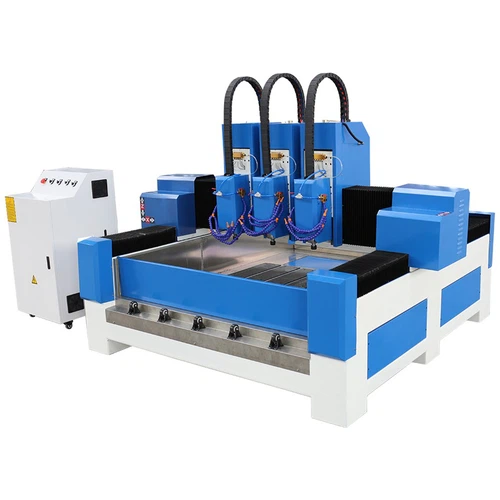
To grasp the lifespan of a CNC router, it is essential to understand its components. A CNC router consists of several key parts that work together to perform intricate tasks. These parts include:
Frame: The foundation of the machine, typically made from steel or aluminum, which supports all the other components.
Spindle: The motorized unit responsible for holding and rotating the cutting tool.
Linear Guides and Rails: These systems allow the movement of the router along the X, Y, and Z axes.
Drive Mechanism: Includes ball screws, lead screws, or rack-and-pinion systems, which convert rotary motion into linear motion.
Control System: The computer or controller that interprets the design files and directs the router to perform precise cutting and milling tasks.
Cooling Systems: Often integrated to manage the heat generated during operation.
Factors Affecting the Lifespan of a CNC Router
The lifespan of a CNC router is influenced by a variety of factors, ranging from its design and build quality to its usage patterns and maintenance practices. Below are the key factors that determine how long a CNC router will last:
2.1 Quality of Components
One of the most important determinants of a CNC router's lifespan is the quality of its components. Higher-quality routers tend to last longer due to the superior materials and engineering involved in their construction. For example, routers with robust steel frames, precision ball screws, and high-grade spindles are more durable and resistant to wear compared to machines built with lower-quality materials. The quality of the control system also plays a crucial role, as advanced controllers are more reliable and capable of reducing operational errors, which can contribute to the longevity of the machine.
2.2 Frequency of Use
The intensity and frequency of use significantly impact the lifespan of a CNC router. Machines used in high-demand environments, where they operate for long hours every day, will naturally experience more wear and tear than machines used occasionally or for lighter tasks. CNC routers that run 24/7 or under heavy load conditions may require more frequent maintenance and repairs, which can reduce their overall lifespan. On the other hand, machines that are used less frequently and under lighter conditions tend to have a longer operational life.
2.3 Maintenance Practices
Proper maintenance is essential to extending the lifespan of a CNC router. Like any precision machinery, regular maintenance ensures that all components are functioning optimally and prevents excessive wear. Key maintenance tasks include:
Lubrication: Regular lubrication of moving parts such as linear guides, rails, and ball screws is vital to reduce friction and prevent premature wear.
Cleaning: Dust, debris, and other contaminants can cause damage to the machine. Cleaning the router regularly, especially after cutting materials that generate a lot of dust (e.g., wood), is crucial for maintaining its performance.
Checking Alignment: Ensuring that the machine's frame and components are correctly aligned helps maintain cutting accuracy and reduces the strain on motors and other components.
Cooling System Checks: Regular inspection of the cooling system (if applicable) is necessary to prevent overheating, which can damage the spindle and other critical components.
Replacing Worn Parts: Components like cutting tools, bearings, belts, and motors wear out over time and should be replaced periodically to keep the machine operating at peak performance.
2.4 Operating Environment
The environment in which the CNC router operates can also influence its lifespan. Factors such as temperature, humidity, and the cleanliness of the shop floor all play a role. CNC routers are designed to operate in relatively controlled environments, so extreme temperature fluctuations or high levels of dust and humidity can lead to faster wear on critical components. Installing the machine in an environment with stable temperature and humidity levels, along with proper ventilation, can help extend its operational life.
Average Lifespan of a CNC Router
The lifespan of a CNC router can vary depending on the factors outlined above, but, in general, a high-quality CNC router can last between 10 and 20 years with proper maintenance. Some routers may last even longer if they are used under optimal conditions, maintained regularly, and occasionally upgraded with newer components.
Entry-Level CNC Routers
These routers, typically used in smaller workshops or for light-duty tasks, might have a lifespan of around 5 to 10 years. They tend to be less robust than industrial-grade machines but can still deliver reliable performance for a significant period with proper care.
Mid-Range CNC Routers
These machines, which are designed for more demanding tasks, can last between 10 and 15 years. With proper maintenance, they can handle a wide range of materials and applications.

To ensure that a CNC router remains operational for as long as possible, several steps can be taken to maximize its lifespan:
Regular Maintenance and Inspections
Scheduling regular maintenance and inspections, even during periods of low machine use, helps detect potential issues early and prevent costly repairs.
Training Operators
Proper training for operators ensures that they understand how to handle the machine carefully and optimize its performance, which can reduce the risk of premature wear.
Optimizing Load and Speed
Avoid overloading the machine with excessive cutting speeds or feeds, which can strain the router and reduce its lifespan. Maintaining appropriate operational parameters ensures longevity.
Upgrading Components
Replacing parts such as motors, spindles, and bearings before they fail can help keep the router running efficiently and extend its operational life.
Environmental Controls
Installing the CNC router in a controlled environment, with proper ventilation and a clean work area, helps protect the machine from external factors that could accelerate wear and tear.
Conclusion
The lifespan of a CNC router is influenced by several key factors, including the quality of its components, the frequency of use, maintenance practices, and the environment in which it operates. While the average lifespan ranges from 10 to 20 years, high-quality machines that are regularly maintained and used under optimal conditions can last much longer. By focusing on preventative maintenance, training operators, and ensuring the machine is used properly, businesses can maximize the operational life of their CNC routers and achieve greater productivity and cost-efficiency in their manufacturing processes. Ultimately, a well-maintained CNC router is an investment that can serve a business for many years, making it an essential part of the production line.


