


The world of woodworking has undergone significant transformations over the centuries, evolving from hand tools and basic machinery to highly sophisticated, computer-controlled equipment. Among these innovations, the Wood CNC Router stands out as a game-changer, blending precision, efficiency, and creativity in ways that were unimaginable just a few decades ago. In this comprehensive guide, we'll delve into the intricacies of Wood CNC Routers, exploring their history, types, applications, benefits, and even providing tips for those looking to integrate this technology into their woodworking endeavors.
To fully appreciate the impact of Wood CNC Routers, it's essential to trace the evolution of woodworking technology. Early civilizations relied heavily on hand tools such as axes, knives, and chisels for shaping wood. As time progressed, simple machinery like lathes and mills were invented, allowing for more consistent and repeatable results. However, it was the Industrial Revolution that truly accelerated the development of woodworking technology, introducing steam-powered machines and mass production techniques.
Fast forward to the 20th century, and the advent of computers began to transform industries, including woodworking. The integration of computer numerical control (CNC) technology into routers marked a significant milestone. CNC routers use computer software to guide the tool path, enabling intricate designs to be carved with remarkable precision and speed.

What is a Wood CNC Router?
A Wood CNC Router is a specialized machine that combines a router (a power tool used for hollowing out areas in material) with computer numerical control (CNC) technology. Unlike traditional routers that require manual operation, a Wood CNC Router is programmed to follow a predefined path, guided by computer software. This automation allows for the creation of complex and precise cuts, patterns, and designs in wooden materials.
Key Components
Router Spindle
The cutting tool that rotates at high speeds to carve or shape the wood.
CNC Controller
The brains of the operation, responsible for interpreting the computer software instructions and controlling the movement of the router spindle.
Servo Motors or Stepper Motors
These drive the movement of the router along the X, Y, and Z axes, ensuring precise positioning.
Table and Workholding Systems
The platform where the wood is secured during the cutting process.
Software
The program that designs the cut path and sends instructions to the CNC controller.
Types of Wood CNC Routers
Wood CNC Routers can be categorized based on various factors such as size, functionality, and intended use. Here are some of the main types:
Benchtop CNC Routers
As the smallest and most affordable variety, benchtop CNC routers are designed for smaller workspaces and light-duty applications. They are ideal for hobbyists, small businesses, or anyone looking to experiment with CNC technology without a significant investment. Despite their compact size, benchtop routers can still deliver impressive precision and detail.
Floor-Standing CNC Routers
These larger machines offer a broader working area and increased cutting capacity, making them suitable for larger projects and more demanding applications. Floor-standing CNC routers are commonly used in professional workshops, educational institutions, and small to medium-sized enterprises.

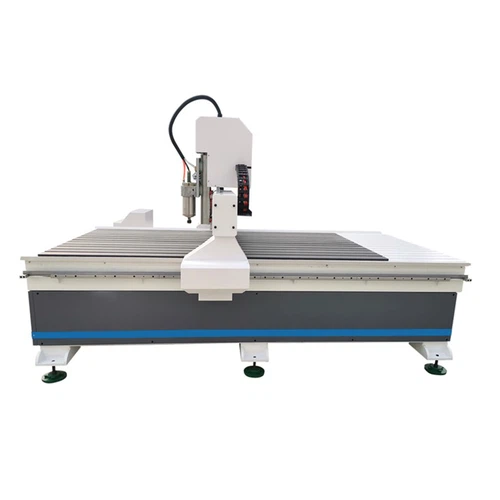
Industrial CNC Routers
Industrial-grade CNC routers are the cream of the crop, designed for heavy-duty production environments. They feature robust construction, high-power spindles, and advanced control systems to handle large-scale, high-precision cutting tasks efficiently. Industrial routers are often used in furniture manufacturing, architectural millwork, and automotive industries.
3D CNC Routers
While most CNC routers can create three-dimensional cuts, 3D CNC routers are specifically optimized for this purpose. They often come with additional features such as rotary axes (A, B, or C axes) that enable complex, multi-axis machining. This capability is invaluable for creating intricate sculptures, molds, and prototypes.
The versatility of Wood CNC Routers makes them indispensable in a wide range of applications. Here are some of the most common uses:
Furniture Manufacturing
Wood CNC Routers have revolutionized furniture manufacturing by enabling the production of custom, high-precision components. From intricate carvings and moldings to complex joints and assemblies, CNC routers ensure consistent quality and reduce manual labor.
Architectural Millwork
Architectural millwork involves the creation of decorative elements and structural components for buildings. Wood CNC Routers excel at producing intricate designs, patterns, and profiles for doorways, windows, columns, and other architectural features.
Sign Making
The ability to create detailed, customized signs with precision and speed makes Wood CNC Routers a favorite among sign makers. From simple lettering to intricate logos and graphics, CNC routers enable the production of professional-quality signs in a fraction of the time required by traditional methods.
Custom Woodworking
For woodworkers who specialize in custom designs, Wood CNC Routers offer unparalleled creativity and flexibility. Whether it's crafting one-of-a-kind furniture pieces, making prototypes, or producing small batches of bespoke items, CNC routers can turn even the most imaginative designs into reality.
Educational Purposes
Woodworking education has also benefited from the introduction of CNC routers. They provide a hands-on way to learn about CAD/CAM software, precision machining, and design principles. Schools and vocational training centers often use CNC routers to teach students the skills they'll need for careers in woodworking and manufacturing.
Benefits of Using Wood CNC Routers
The advantages of incorporating Wood CNC Routers into your woodworking operations are numerous and significant. Here are some of the most notable benefits:
Precision and Accuracy
One of the most compelling benefits of Wood CNC Routers is their precision. By eliminating human error and relying on computer-controlled movements, CNC routers can achieve tolerances as tight as 0.001 inches. This level of accuracy is crucial for creating high-quality, professional-grade products.
Increased Efficiency
CNC routers significantly boost productivity by automating cutting tasks. Once the design is programmed, the machine can run unattended, allowing woodworkers to focus on other aspects of their work or handle multiple projects simultaneously. This automation reduces setup time, speeds up production cycles, and minimizes material waste.
Design Flexibility
With Wood CNC Routers, the design possibilities are virtually endless. CAD (Computer-Aided Design) software enables woodworkers to create intricate designs, patterns, and textures that would be impractical or impossible to achieve with traditional methods. The ability to quickly and easily modify designs without retooling adds even more flexibility.
Cost Savings
While the initial investment in a Wood CNC Router can be substantial, the long-term cost savings can be significant. Automation reduces labor costs, minimizes material waste, and extends tool life by optimizing cutting paths and speeds. Additionally, the ability to produce custom designs in-house eliminates the need for outsourcing, further cutting costs.
Scalability
Wood CNC Routers are highly scalable, making them suitable for businesses of all sizes. From benchtop models designed for small workshops to industrial-grade machines capable of handling large-scale production, there's a CNC router to fit every need and budget. This scalability allows woodworking operations to grow and evolve without having to invest in entirely new equipment.
Choosing the Right Wood CNC Router
Selecting the right Wood CNC Router for your needs can be a daunting task, given the wide range of options available. Here are some key factors to consider when making your decision:
Budget
The most critical factor for many woodworkers is budget. Wood CNC Routers can range in price from a few thousand dollars for benchtop models to tens of thousands of dollars for industrial-grade machines. Determine how much you're willing to spend and look for options that offer the best value for your money.
Workspace and Capacity
Consider the size of your workspace and the types of projects you plan to tackle. Benchtop routers are ideal for small workshops and lighter applications, while floor-standing and industrial models require more space and are better suited for larger, more demanding projects.
Precision and Accuracy
Think about the level of precision and accuracy you need. Some CNC routers offer higher tolerance levels than others, which can be crucial for certain applications like architectural millwork or fine furniture making.
Software Compatibility
Different CNC routers are compatible with various software programs. Make sure the router you choose is compatible with the CAD/CAM software you're familiar with or plan to use. This will simplify the design and programming process and help ensure seamless integration into your workflow.
Support and Service
When investing in a Wood CNC Router, it's important to consider the level of support and service offered by the manufacturer. Look for companies with a good reputation, responsive customer service, and readily available technical support.


