


Panel furniture machinery is an indispensable and important equipment in modern furniture production and is widely used in the production of various types of flat-panel furniture. These mechanical equipment are mainly used to process man-made boards such as medium-density fiberboard (MDF), particleboard, and plywood. With the continuous development of the furniture industry, these mechanical equipment are also constantly upgraded, becoming more and more sophisticated and efficient, and can ensure higher productivity and product quality in the automated production process. This article will introduce in detail what panel furniture machinery is, analyze its main functions, and explore their important role in modern furniture production.
What Is Panel Furniture Machinery?

Panel furniture machinery refers to various types of equipment used to process panels, which are usually man-made panels such as medium-density fiberboard, particleboard, and plywood. Panel furniture machinery includes a series of equipment for different processing operations, such as cutting, drilling, edge banding, grinding, and assembly. Their main function is to process raw materials (i.e. large-sized panels) into furniture components and provide the necessary components for subsequent assembly.
These machines usually use advanced numerical control technology (CNC) and automation systems to ensure processing accuracy and production efficiency. With these technologies, furniture manufacturers can improve production efficiency while ensuring product quality consistency.
Main functions of panel furniture machinery
CNC Cutting
CNC cutting is one of the most basic and critical functions of panel furniture machinery. It uses a computer-controlled sawing machine to accurately cut large panels into small-sized parts according to predetermined design requirements. The CNC cutting machine can automatically adjust the cutting method and size according to the design drawings to ensure that the size and shape of each panel are consistent, thereby ensuring the high quality of furniture products.
Compared with traditional manual cutting methods, CNC cutting can not only improve production efficiency, but also reduce human errors and ensure the cutting accuracy of each panel. When producing large quantities of identical parts, CNC cutting can minimize waste and improve material utilization.
Drilling
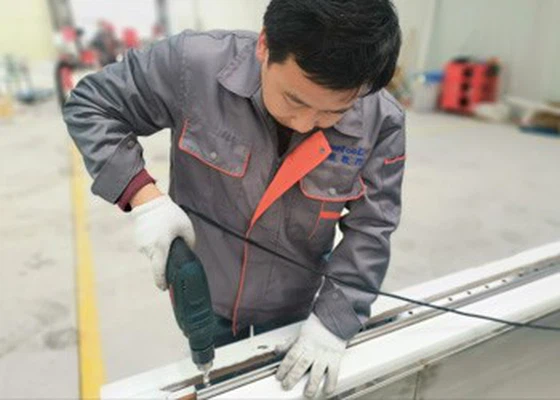
Drilling function is another key function in panel furniture machinery. Modern panel furniture machinery is usually equipped with CNC drilling machines for precise drilling holes in panels to install hardware components such as hinges, screws, and slides. Through CNC drilling machines, multiple holes can be drilled efficiently and accurately to ensure that the position, size and depth of each hole meet the design requirements.
According to different furniture requirements, CNC drilling machines can program and control multiple drills to perform drilling operations at the same time to improve production efficiency. For example, cabinet door hinge holes, bookshelf support holes or drawer slide holes can be completed in one operation. This automated processing method not only improves processing efficiency, but also ensures the perfect installation of hardware accessories and improves product quality.
Edge Banding
Edge banding is another important function of panel furniture machinery, especially when the edge of the board is exposed. The edge banding machine can not only improve the appearance of the furniture by attaching plastic or wood veneer strips to the edge of the board, but also effectively prevent damage to the edge of the board and improve its durability. Edge banding is not only for aesthetics, but the protective layer on the edge can also prevent the intrusion of moisture and dust, thereby extending the service life of the furniture.
Modern edge banding machines are usually operated in an automated manner, which can not only accurately fit the edge banding, but also trim and grind the edge banding to ensure that the edge banding effect is flat and smooth, achieving a seamless joint effect. This automated edge banding processing method can greatly improve production efficiency while ensuring the consistency of edge banding quality.
Sanding
Sanding is another key processing link in panel furniture machinery. The purpose is to remove uneven parts of the surface and ensure that the surface of the board is smooth and bright. Sanding equipment is usually equipped with high-speed rotating sanding belts or sanding discs, which remove surface impurities or irregular parts by grinding to achieve the required finish on the board surface.
The sanding machine can adjust the sanding accuracy according to different product requirements, and coarse sanding and fine sanding can be carried out separately. For example, boards that are prepared for lamination or painting may require fine sanding to ensure a smooth surface and uniform coating in subsequent processes. If it is just a simple finished board, it may only require a coarse sanding process to remove burrs.
Assembly
When all furniture components have been processed, the final step is assembly. Although the assembly of some traditional furniture still relies on manual operation, many modern panel furniture machines are equipped with automated assembly systems that can automatically position, assemble and fix components. These automated assembly systems can further improve production efficiency and reduce labor costs, while ensuring that every detail of the assembly process meets standard requirements.
The advantages of automated assembly systems are very obvious, especially in large-scale production. It can not only greatly increase production speed, but also improve product consistency and ensure the quality of each piece of furniture.
Application of technology in panel furniture machinery

In recent years, advanced technology, especially CNC technology, automation systems and robotics technology, has significantly improved the performance of panel furniture machinery. The development of these technologies has enabled furniture production to achieve a more efficient, more precise and more flexible production model.
The combination of computer-aided design (CAD) and computer-aided manufacturing (CAM) technology is an important factor in promoting the technological advancement of panel furniture machinery. CAD software can help designers to design furniture components in detail, while CAM software converts the design into machine operating instructions. The integration of this technology enables the automation of the furniture production process from design to processing, improves production efficiency, and reduces errors in manual operations.

In addition, robotics technology has gradually entered the field of furniture production, especially in the assembly process, where robots can automatically carry and assemble furniture parts, thereby further improving production efficiency. Robots can also be flexibly programmed according to different furniture designs, reducing labor costs in the production process.


