


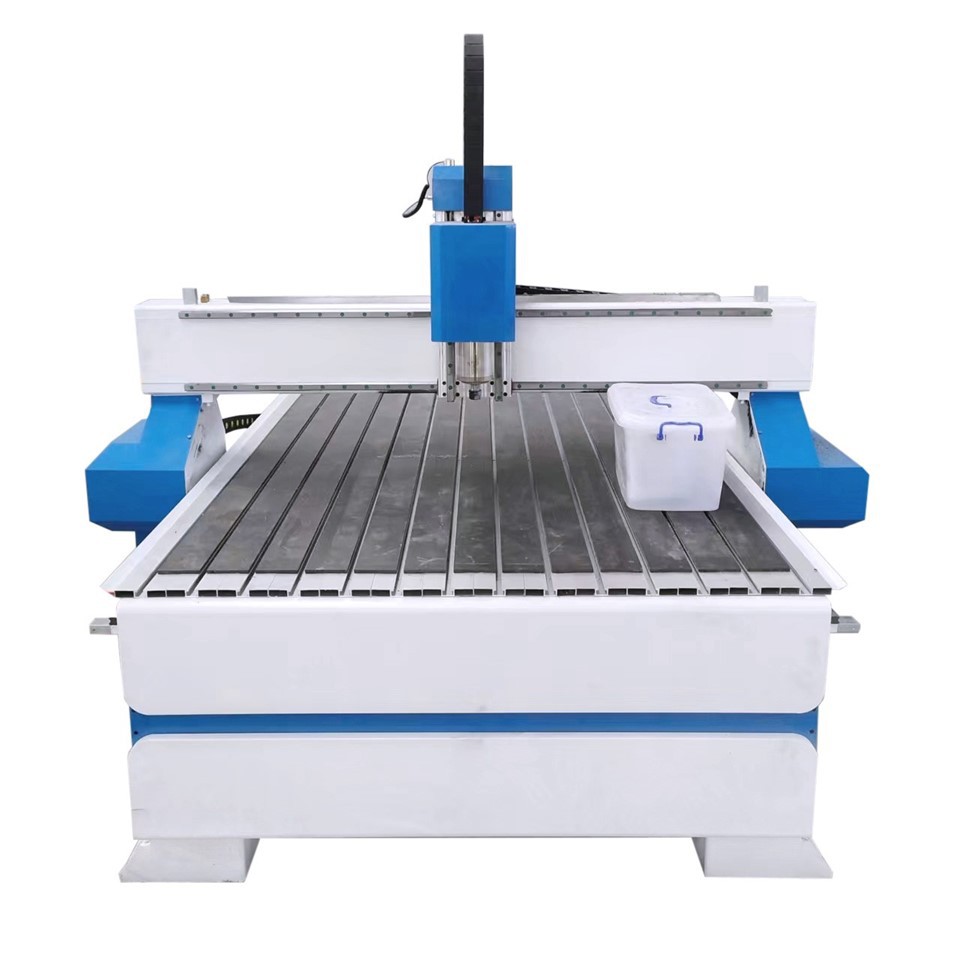
CNC routers have become an indispensable tool in modern manufacturing, especially in the automotive industry. These machines use computer programs to precisely control cutting, forming, and engraving tasks, achieving high efficiency and high precision production. In automotive manufacturing, CNC routers are widely used to produce complex parts that require tight tolerances and fine designs, which are essential for the functionality and safety of vehicles. As the demand for high-performance vehicles continues to grow, the role of CNC routers in automotive parts manufacturing is becoming increasingly important.
Main Applications of CNC Routers in Auto Parts Manufacturing
CNC routers are widely used in different stages of automotive parts production. The following are its main application areas:


Engine Parts Manufacturing
CNC routers are commonly used to manufacture engine parts such as cylinder heads, engine blocks, and intake manifolds. These parts require high precision because their tolerances are very tight and they are under great pressure when the engine is running. For example, the cylinder head needs to be precisely machined to ensure that it fits perfectly with other parts and optimizes airflow and combustion processes. CNC routers can process these parts with high precision, ensuring that the dimensions of each part are consistent and meet the strict quality requirements of the automotive industry.
Suspension system component manufacturing
Components in the suspension system, such as control arms, steering knuckles and shock absorber brackets, are important components to ensure vehicle handling, stability and safety. CNC routers are used to cut, mill and shape these parts, and the processing materials include steel, aluminum and composite materials. The high precision of CNC routers ensures that suspension components can be manufactured to precise specifications, which is key to ensuring the normal operation of the suspension system. Any deviation in size or shape may cause poor vehicle performance or even failure.
Transmission component manufacturing
The transmission is another key component of the vehicle. CNC routers are widely used to manufacture transmission housings, shift forks and other components. These components need to withstand greater mechanical stress and maintain a stable working state to ensure efficient power transmission. CNC routers can manufacture these components with high precision and repeatability, ensuring their stability and durability over long-term use, thereby improving the overall performance of the transmission.
Processing of automotive lamps and interior parts
CNC routers are also widely used in the manufacture of automotive lamps, including headlights, taillight housings, and interior lighting. Precision processing is essential for these parts to ensure that they can be perfectly embedded in the vehicle design. For example, the headlight housing must be precisely cut to ensure that the light assembly is properly docked and safely installed, which is critical to the safety of the vehicle. CNC routers are particularly suitable for processing parts with complex shapes, especially when using materials such as PMMA or acrylic, which require precise control during processing.
Customized automotive parts production
In addition to mass-produced parts, CNC routers are also widely used in the production of customized automotive parts. These parts are often designed for specific models or to meet certain performance requirements. The flexibility of CNC routers allows manufacturers to quickly produce small quantities of customized parts without sacrificing quality or precision. This capability is particularly important in the manufacture of high-performance or luxury vehicles, as these vehicles often require unique or specially designed parts.
Advantages of CNC Routers in Auto Parts Manufacturing
Using CNC routers for auto parts manufacturing offers several significant advantages, including:

High Precision and Consistency
CNC routers offer unparalleled precision and repeatability. Computer program control ensures that each part is produced to exact specifications with minimal variation between batches. For example, in the machining of engine parts, tolerance requirements may be as high as 0.01 mm, and CNC routers are able to achieve this precision requirement with ease.
Increase Productivity
The automation capabilities of CNC routers make them more productive than manual machining. CNC machines can run continuously with minimal human intervention, reducing downtime and increasing production. This is critical for the automotive manufacturing industry, which needs to meet the production needs of a large number of parts without compromising product quality. In addition, CNC routers can complete roughing and finishing at the same time, simplifying the production process and reducing the number of machines required.
Design Flexibility
CNC routers can easily handle complex geometries and delicate designs, which is very important for the production of automotive parts. Whether it is simple cutting or complex engraving, CNC routers can produce parts of various shapes and sizes. This flexibility is essential to meet the design and functional requirements of modern vehicle components. CNC technology also enables rapid adjustments to component design to accommodate design changes during product development.
Quality Control
The precision of CNC routers ensures consistency throughout the production process. This is especially important for safety-critical components, such as suspension components and engine components, as any deviation in quality may affect the performance and safety of the vehicle. CNC routers can also be seamlessly integrated with advanced quality control systems to monitor and inspect components in real time during production, helping manufacturers to detect and correct defects in a timely manner, thereby reducing waste and ensuring the quality of the final product.

Future Development Trends In CNC Router Applications
As technology continues to advance, the application of CNC routers in automotive manufacturing will continue to expand. Here are a few major development trends:
Automated Integration With Artificial Intelligence: One of the future development directions of CNC routers is the integration with artificial intelligence (AI) and machine learning systems. These technologies can enhance the functions of CNC machines, allowing them to automatically adjust according to real-time data during the production process, thereby improving production efficiency, reducing waste, and further improving accuracy.
Application Of Advanced Materials: As demand for electric vehicles (EVs) grows, the use of lightweight and high-strength materials such as aluminum alloys and composites is increasing. CNC routers are well suited to machining these advanced materials, which often require specific cutting tools and machining processes. As the automotive industry increasingly adopts new materials to build vehicles, CNC routers will play an increasingly important role in ensuring that these materials are efficiently machined.
Customization And Flexible Production: As demand for customized vehicles and parts increases, CNC routers will continue to provide flexibility in manufacturing. CNC routers are able to quickly produce customized parts without extensive tool changes, making them a valuable asset for producing small, low-volume, customized parts.
Conclusion
CNC routers play a vital role in automotive parts manufacturing, enabling efficient and accurate production of a wide range of key components, from engine parts to customized parts, all of which reflect their advantages in improving precision, efficiency and flexibility. As automation, artificial intelligence and advanced materials technologies continue to develop, CNC routers will play a greater role in future automotive manufacturing, helping manufacturers meet the demand for high-quality and high-precision parts in modern automotive manufacturing.


